

Salt, where is it hiding?

You may have been told at some point to reduce or cut out salt from your diet. This is likely due to the link between a high salt diet and high blood pressure. Diabetes is a condition of high glucose levels in the blood which affects the health of our blood vessels. This makes it even more important to follow a diet and lifestyle that promotes lower blood pressure and healthy blood vessels.
You might be thinking, what does low salt really mean? And how can I reduce salt intake? In this article we are going to unpack these questions so you can feel more confident about your salt intake.
What is salt and where does it come from?
Salt is a mineral most commonly known as sodium chloride. Our body needs a certain amount of sodium for key functions within the body such as maintaining fluid balance and nerve function. While some level of sodium is needed for good health, having too much can cause health problems such as high blood pressure. Salt is widely used to add flavour to food and to preserve food products (keep them fresh for longer). Because of this it is found in large amounts in our food and most people are getting more than they need.
Sodium is a naturally occurring mineral, which means a small amount of the sodium we eat comes from whole foods. Some comes from what we add to our cooking/meals while the majority comes from packaged/processed and takeaway foods. Some examples of foods containing salt include; cereals, crackers, sauces, marinades, processed meats like bacon, sausages and salami, bread, wraps, potato chips, pizza and fast food.
So, how much is too much?
Most nutrients have a recommended daily intake (RDI) which is the amount of a particular nutrient that is required to meet the body’s needs. There is no RDI for sodium. Instead, there is a suggested daily target (SDT). An SDT is an amount of a certain nutrient that can be had daily that may help prevent chronic disease. The SDT for sodium is 2000mg per day. Staying below this target can help reduce your risk of high blood pressure. In some situations, e.g. heart failure or chronic kidney disease, you may be advised to further limit sodium.
Label reading tips
When you are buying packaged foods try to choose “reduced salt” or “no added salt” varieties. Reduced salt means the product has at least ¼ (25%) less salt than the original version. This will be a better choice, however if the original product was very high in salt to begin with, the reduced salt version could still be considered high salt e.g. soy sauce.
No added salt means that salt is not an ingredient in the product. If there is still an amount of sodium listed on the nutrition information panel it can only be naturally occurring, not “added”. This means there will be no salt in the ingredients list. No added salt products are low in salt.
Another helpful tip is to look for products with less than 400mg sodium per 100g, we would consider this lower salt.
NDSS Understanding Food Labels Factsheet
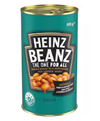
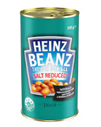
Reduced salt example
| Product | Sodium per 100g |
|
Heinz The One for All Baked Beans
|
355mg |
|
Heinz Salt Reduced Baked Beans
|
245mg (30% lower in salt than the original) |
No added salt example
| Product | Sodium per 100g |
|
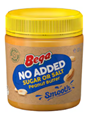
Bega No Added Sugar or Salt Peanut Butter
|
14mg |
| Ingredients: roasted peanuts (91%), vegetable oil | |
|
Bega Peanut Butter
|
576mg |
| Ingredients: roasted peanuts (85%), vegetable oil, sugar, salt | |

More practical tips to reduce salt intake
- Use herbs, spices, garlic, ginger, chilli, lemon and lime juice and vinegars to flavour meals rather than relying on salt
- Be mindful of spice mixes, as usually the first ingredient is salt
- Eat more whole foods e.g. fresh fruits, vegetables, meat, chicken, fish, wholegrains, unsalted nuts and seeds and dairy products like milk and yoghurt
- Limit salty snacks e.g. potato chips, pretzels, salted nuts
- Limit how often you eat takeaway food, cook more at home where possible
- Allow at least 6-8 weeks for your taste buds to adjust to eating less salt. If you are used to eating a high salt diet, then you might find that things don’t taste as good in the beginning, but it will get better!

Sammie Lyne
Accredited practising dietitian at Diabetes Victoria.
Sammie is an Accredited Practising Dietitian with a passion for connecting communities with simple and practical nutrition information.
In her spare time Sammie can be found running around her local neighbourhood or attending the AFL.


