

Five Swaps to Smooth out Your Week

Walking the supermarket aisles can feel overwhelming when you are living with diabetes. Often labels claim to be ‘healthy,’ but a quick look at the nutrition panel can tell a different story.
Lasting change happens through building habits, not deprivation.
Making healthier choices doesn't mean changing everything overnight. By making a few targeted swaps, you can still feel satisfied and
- reduce your carbohydrate intake
- stabilise your blood glucose levels
- reduce your calorie intake
We look at five, high-impact grocery swaps, broken down by the numbers and the reasons why they work.
Orange Juice Vs Orange and Almonds
The morning glass of juice can be seen as a healthy dose of liquid vitamins.

Did you know?
Juicing fruit strips it of its most valuable asset, soluble fibre. Without the fibre, natural fructose is absorbed rapidly. This leads to a more rapid rise in blood glucose.
Eating whole fruit keeps the fibre intact, which slows digestion. Adding a few raw almonds adds healthy fats, protein and even more fibre. This will further lead to lower glucose levels.
| Item + Serving (approx.) | Kilojoule/Calories | Carbohydrates | Protein | Fat | Fibre |
| Orange Juice 200ml | 340Kj/80cal | 18g | 1.2g | 0.2g | 0.4 g |
| Whole Orange + 10 Almonds | 140 Kj/cal/586kj | 13.9g | 4.0g | 6g | 5.2g |
The Impact
By making this swap, you reduce your carbohydrate intake by 4.1g, boost your fibre by 4.8g, and significantly flatten the blood glucose curve.
Flour Wraps Vs Wholegrain Roll
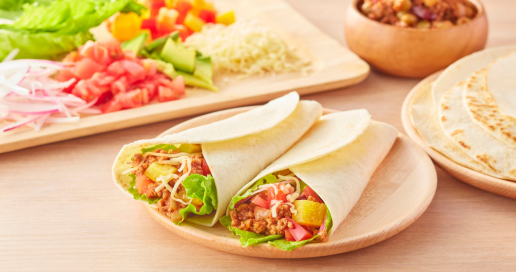
Tortilla wraps are frequently marketed as a lighter alternative to sliced bread. However, 1 wrap usually contains more carbohydrates than 2 slices of bread. White flour tortillas are dense in refined carbohydrates, highly processed and quickly digested. Swapping to a wholegrain bread roll is lower in kilojoules, contains fewer carbs, more protein and less fat and will keep you feeling fuller for longer.
Did you know?
A single large wrap can contain the glycaemic equivalent of up to three slices of bread.
| Item + Serving (approx.) | Kilojoule/Calories | Carbohydrates | Protein | Fat | Fibre |
| Mission wrap – original | 873kj/207cal | 32g | 5.5g | 5.8g | 1.8 g |
| 1 wholegrain bread roll | 721kJ/172cal | 28g | 7.8g | 2g | 2.1g |
The Impact
By making this swap, you remove 270 calories and 43g of refined carbohydrates from your lunch. This makes room for some high-fibre vegetables later in the day.
Flavoured Fruit Yoghurt Vs Plain Greek Yogurt + Berries
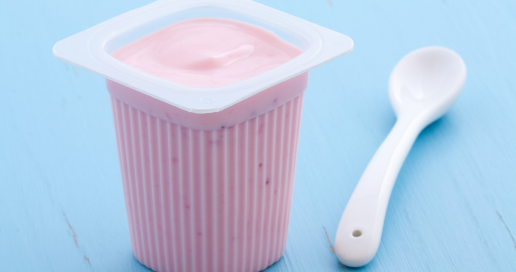
Flavoured yoghurts are known hiding places for added sugars. This means they often lead to higher glucose levels and are not particularly filling.
Did you know?
Flavoured yoghurts come close to matching ice cream in total carbohydrate content.
Plain Greek yoghurt is an excellent alternative. The straining process removes excess liquid whey. This leaves a thick base that has double the protein of standard yoghurt.
| Item + Serving (approx.) | Energy (kJ/cal) | Carbohydrates | Protein | Fat |
| Dairy farmers 150g strawberry yoghurt | 807/192 | 21.6g | 7.7g | 8.4g |
| Farmers union Greek Style Natural Yoghurt 150g + ¼ cup blueberries | 794/190 | 11.6g | 7.4g | 14.6g |
The Impact
The rich consistency of Greek yoghurt helps you feel more satisfied compared to eating a fruit-flavoured yoghurt. Fresh berries are a great natural way to sweeten the flavour and keep the carbohydrate intake lower. Selecting snacks that are filling support you to make better choices later in the day.
White Rice Vs Cauliflower Rice
White rice has a high glycaemic index. It is digested quickly, which means 1 cup or more can lead to a high post-meal blood glucose reading.

Did you know?
Cauliflower rice mimics the texture of rice, while absorbing the flavours of your sauces, curries, or stir-fries.
If a complete switch feels like too much, start with a 50/50 blend of rice and cauliflower rice.
| Item + Serving (approx.) | Energy (kj/cal) | Carbohydrates | Blood Glucose Impact |
| Cooked White Rice (1 cup) | 1356/323 | 60g | High |
| Sautéed Cauliflower Rice (1 cup) | 100/24 | 3g | Extremely Low |
The Impact
It can be difficult to avoid high glucose levels after eating larger portions of rice. If it is important part of your diet, there is no need to get rid of it. The best solution is to reduce your portion size by blending with other low-starch options such as cauliflower, cabbage or other vegetables. Alternatively, you may prefer to eat more protein or a side salad with your rice dishes.
Soft drink for flavoured mineral water
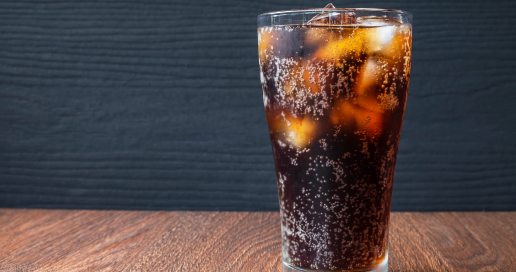
Most people are aware that drinking soft drinks causes high blood glucose levels. This is because they are high sugar fluids and contain no other nutrients, causing the sugar to be absorbed into the bloodstream rapidly. This knowledge doesn’t mean that everyone finds it easy to cut out soft-drink and some people need alternatives to help cut back gradually. Some people also prefer to consume soft drinks instead of alcohol on special occasions.
Did you know?
Your brain often craves the crisp, bubbly fizz of a soft drink more than the actual sugar. Lightly flavoured mineral waters give you that exact same refreshing 'crack and fizz' sensation, making them a great alternative.
Flavoured mineral waters are a great alternative as they are fizzy, sweet and often contain significantly less sugar than a standard soft drink. Picking a smaller can also helps reduce the amount of sugar going into the blood.
| Item + serving | Energy (kJ/cal) | Sugar | Number of teaspoons of sugar |
| Coca-Cola Classic 375mL can | 675kJ/161cal | 40g | 10 teaspoons |
| Fever-tree lime and yuzu soda 250mL can | 173kj/40cal | 10g | 2.5 teaspoons |
The Impact
If you regularly drink soft drink and swapped 3x cans coca cola per day for 3x cans of Lime and Yuzu Soda, you would be cutting out 22.5 teaspoons of sugar per day! This would have a huge impact on your glucose levels.
What It Means to Your Week
When looked at individually, these changes might seem small. If you look at the math across an entire week, you will see how each little swap adds up.
The Outcome
Cutting out refined carbs each week helps manage rapid rises in blood glucose. Over time, this helps keep your HbA1c (average blood glucose over time) stay in your target range.
On top of that, removing calories supports sustainable weight management. This will naturally improve insulin sensitivity.
If you would like more advice on nutrition and are seeking a health professional, you can see any one of ours at the Diabetes Care Plus Clinic.
This article has been reviewed by Charlotte Lentfer, Dietitian and credentialled diabetes educator.

Jo Walsh
Digital Communications Lead
Jo is an experienced digital communications professional with 20 years of experience in the digital space. With a strong technical foundation in social media strategy and website development, she brings both creativity and precision to her work.
Jo is also a passionate advocate for peer support, drawing on her lived experience with type 1 diabetes wishing to highlight the importance of connection within communities.


