

The Impact of Research

Professor David O’Neal is a clinical endocrinologist at St. Vincent’s Hospital and the lead researcher of the Diabetes Technology Research Group. His team works across the full research spectrum – from project development, right up to the testing and real-world implementation of devices – including for people living with type 1 or type 2 diabetes using insulin.
“I have had the privilege of watching the evolution of diabetes care over the last 20 to 25 years. These devices have made a tremendous difference not just to glucose control but also to the quality of life of people living with diabetes and diabetes-related complications.
When I first started in the field of diabetes in 1987, people were finger-pricking themselves and relying on paper strips to measure their glucose levels. Insulin was delivered by injection, and insulin pens had only just been introduced.
The options available at the time were far less sophisticated than what we have today. Advising people on insulin doses often felt like trying to read the tea leaves – we simply didn’t have the tools we needed.
Now, with Automated Insulin Delivery systems, we can use real-time information from glucose sensors to guide insulin pumps and deliver rapid-acting insulin under the skin. Whilst this is not a cure for diabetes, it can significantly reduce overnight worry and lessen the daily burden of managing the condition.
But there is still more work to be done. We are currently focusing on how insulin pumps and continuous glucose monitoring can be further integrated to support people living with type 1 and type 2 diabetes - particularly those who are also managing diabetes-related complications.
We aim to further reduce the mental, emotional, and physical challenges that people with diabetes and diabetes-related complications face and improve outcomes compared to traditional care methods.
We tremendously value our relationship with Diabetes Victoria. Our partnership over the years has funded research which has gone on to change the way in which the condition is managed for the better.”
Meet the DTRG Team
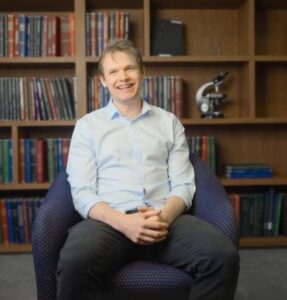
Dale Morrison - Senior Research Fellow and Exercise Physiologist and the University of Melbourne and Diabetes Technology Research Group.
His current research interests centre on how novel technologies such as metabolite sensing and closed-loop systems can ease the burdens associated with exercise and improve the daily
lives of people with type 1 diabetes.
We're looking to improve glycaemic outcomes around exercise. We know that a lot of people with Type 1 diabetes struggle with exercise and having hypoglycaemia. One of our main studies is looking at whey protein ingestion as a way to potentially prevent hypoglycemia around exercise. Ingesting commonly available protein supplements that people use every day prior to exercise to prevent low blood glucose.
"Since I’ve started here in the last 8 years, research has come a long way. The technology that’s available for people living with diabetes has improved out of sight. We’re working on a lot of upcoming technology studies, that look even better."
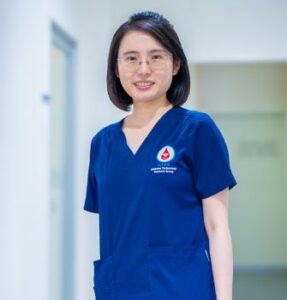
Audrey Kong
Endocrinologist and a Senior Research Coordinator with the University of Melbourne and St. Vincent’s Hospital Diabetes Technology Research Group. She is also doing her PHD with Professor David O’Neal.
She is passionate about improving the quality of life of people with chronic diseases, especially with the use of technology in diabetes. She aspires to be a physician-scientist in the field of Endocrinology with a focus on Type 1 diabetes and diabetes technology.
My research pertains to the use of ketone sensors. My research focus is looking at the use of SGLT2 inhibitors, which are a type of medication that's approved in people with Type 2 diabetes, and can be used adjunctively in people with Type 1 diabetes, but has not been approved because of the increased risk of diabetic ketoacidosis in people with Type 1 diabetes.
The aim is to use ketone sensors as a way to help people detect when the ketone levels are elevated to treat it early so that they don't go into diabetic ketoacidosis on this medication.
“We absolutely need ongoing funding for diabetes technology research. Until we've achieved “the end”, which is a permanent cure for diabetes.”
Donate Today
Donate today to help fund research like Professor O’Neal’s that advances life-changing diabetes technology.


