

Cooking sauces comparison

Using bottled sauces, pastes or recipe bases to create a stir-fry or curry might seem like a quick and easy dinner meal. But most bottled and packaged sauces are extremely high in salt, saturated fat and sugar. We compare popular brands and help you make good choices when cooking up stir-fries and curries.
When picking a bottled product from the supermarket, be mindful of the following contents. They are all added to provide flavour, such as:
- Salt: due to the use of ingredients such as soy sauce, fish sauce and oyster sauce.
- Saturated fat: due to the addition of coconut cream found in many curry style sauces.
- Sugar: Sweet style sauces (sweet and sour, honey soy, teriyaki etc.) are also likely to contribute to the total amount of carbohydrate in your meal. This is something to be aware of, especially if you are eating with rice or noodles.
Tips for making a healthy stir-fry or curry
- Include lots of different coloured vegetables such as red capsicums, zucchini, broccoli, carrots, mushrooms, corn, Asian greens, celery, green beans etc.
- Make your own stir-fry sauce or paste (we have some ideas for you at the end of this article).
- Use a lean protein source, such as skinless chicken, lean beef, seafood or tofu.
- Serve with some rice or noodles in a portion size that is right for you – this could be anywhere from ¼ of a cup to one cup, depending on your carbohydrate needs.
- If you feel like a bit of crunch, then top your dish with some chopped peanuts or cashew nuts.
For those nights when you want dinner in a hurry and you need to use a bottled sauce, it is important to choose those with lower amounts of sodium (salt) and saturated fat. Reading the ingredients list will help you to choose a sauce that is lower in added sugar as well. Read our review below to see how your favourite sauce compares.
Note – as all compared products are highly processed foods that are high in salt, sugar and/or saturated fat, no product will receive 5 stars.
| Brand | Health Score | Dietitian Comments |
|
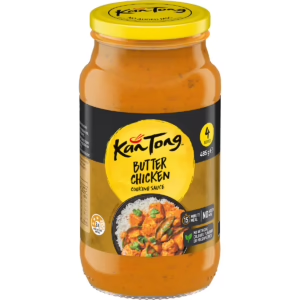
Kantong Butter Chicken |
3 stars | As the name might suggest, butter chicken is usually high in fat with most of it saturated fat from butter and cream. This Kantong sauce gets its buttery taste from buttermilk, rather than butter, so it is significantly lower in fat than the traditional dish. As far as bottled sauces go, this one is not too high in sodium with 381mg per 100g. Sugar features about half way through the ingredients list, behind tomato paste, onion, garlic, vegetable oil and water. This is one of the better curry type bottled sauces due to the lower amounts of fat, sodium and added sugar. |
|
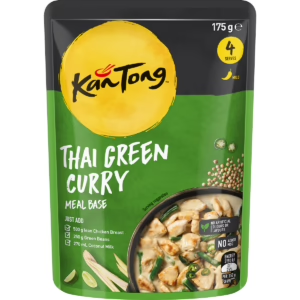
Kantong Thai Green Curry |
1 ½ stars | Although this Kantong Thai Green Curry sauce only contains 1.5g of total fat per 100g, you will be adding saturated fat from the required can of coconut milk.. You can choose to reduce the amount of coconut milk or opt for a “light” coconut milk For a recipe base, this one is very high in sodium, at 926mg per 100g and relatively high in sugar in sugar at 12.2g per 100g. However, being a highly processed food it does contain over 12 ingredients, which is a lot more than what you would use to make your own. While technically not the best choice due to its high sodium and sugar content, this product does contain lots of recognisable ingredients. |
|
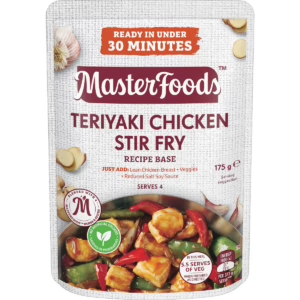
MasterFoods Recipe Base – Teriyaki Chicken Stir Fry |
1 ½ stars | While it may look like this MasterFoods recipe base is lower in sodium, at 422mg per 100g, the instructions tell you to add reduced-salt soy sauce, which is likely to add a significant amount of sodium, despite being reduced in salt. This sauce is very low in fat (0.6g per 100g); however, it is also quite high in sugar. Sugar features second on the ingredients list behind water and this sauce contains 20.9g of sugars per 100g – which is actually quite typical for most stir-fry sauces. |
|
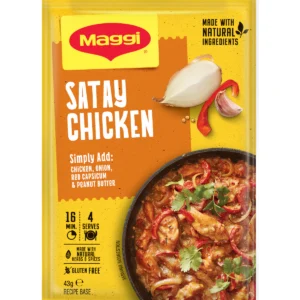
Maggi Stir Fry Satay Chicken Recipe Base |
0 stars | This stir-fry satay recipe base is extremely high in sodium with 2830mg of sodium per 100g. When looking at the nutrition information, this sauce appears low in fat for a satay sauce at 2.2g per 100g, though it does require the addition of 40g of peanut butter, adding a further 20g of fat to the whole meal. |
|
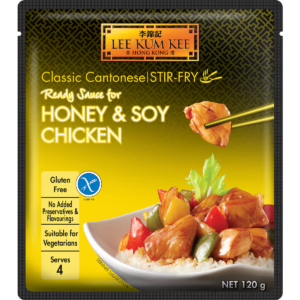
Lee Kum Kee Honey & soy Stir-Fry Chicken |
0 stars | Despite being very low in fat (less than 1g per 100g), this stir-fry sauce is very high in added sugar at 52g per 100g and sodium with 2360 mg per 100g. |
Shopping tips
When shopping for a bottled sauce, look on the label for:
- Total fat: 5–10g per 100g and saturated fat less than ⅓ of the total fat,
- Sodium less than or equal to 450mg per 100g, and
- Sauces that are lower in sugar – look on the ingredients list and choose sauces where sugar is not listed within the first three ingredients.
Ideas for your own stir-fry sauces or pastes
As you would have seen in the table above, the better sauces still only scored a top rating of three stars. Creating your own sauces or pastes may not get the full five star rating, but it will be much closer than the bottled varieties.
You can create your own healthy stir-fry sauces or curry pastes at home by experimenting with various herbs and spices and adding a tiny splash of reduced-salt soy sauce, oyster sauce or fish sauce if needed. This will drastically reduce the amount of sodium and added sugar in the meal, not to mention removing all of the additives and preservatives. Plus, you are also adding in vitamins, minerals and antioxidants from the herbs and spices that packaged sauces don’t have.
Here are some suggestions that came from one of our in house cooking experts.
- Chinese style: finely chopped garlic, ginger, coriander root, white pepper and a small dash of reduced-salt soy sauce – goes well with lean chicken, turkey, pork, tofu, fish and seafood
- Thai style: finely chopped garlic, red chilli, Thai basil, white pepper and a small dash of oyster sauce – goes well with lean chicken, turkey, pork, and tofu
- Vietnamese stir-fried fish: sliced onion, chopped garlic, turmeric powder, black pepper, the tiniest dash of fish sauce and finish with squeeze of lime, dill and coriander leaves – goes well with fish but can also work well chicken
- Middle Eastern style: sliced onion, minced garlic, cinnamon powder, paprika, sumac – goes well with lean beef/lamb mince or diced beef/lamb (rump, back strap or fillet). Finish with parsley and coriander leaves and finely sliced red onion (can be eaten in a wrap or with rice)
- Curries: Use a curry paste (reduced-salt where possible) instead of a simmer sauce. To reduce the total and saturated fat of your Thai-style curry dishes, you could try using light coconut milk, or even better, use coconut flavoured evaporated milk, which has only 1.1g of saturated fat per 100g. Use natural yoghurt instead of cream or coconut milk for Indian-style curries.


